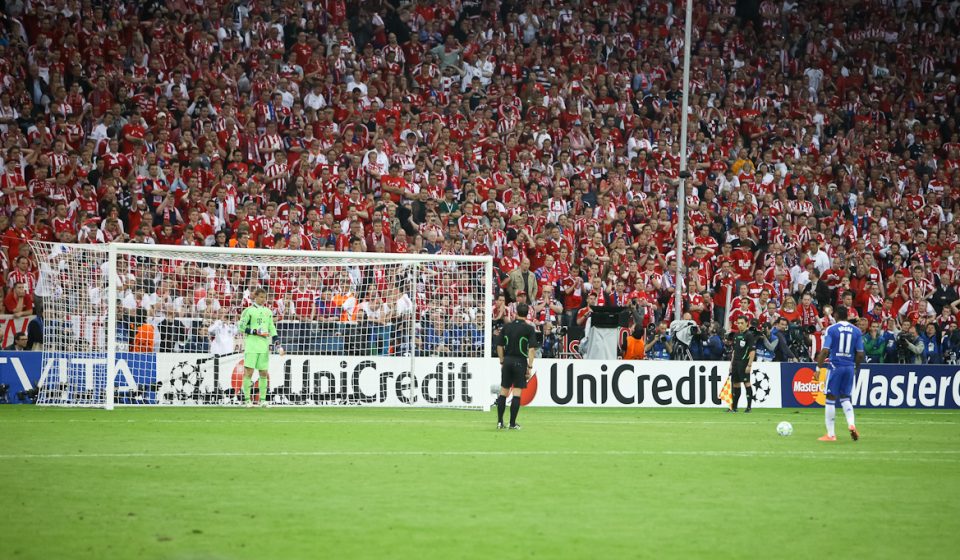

For decades, the penalty shootout was seen as a lonely battle between the taker and his nerve. The goalkeeper was just a figure in the background, waiting to dive or guess. But at World Cup 2026, that myth collapsed. The reality is stark: goalkeepers are now the true differential in shootouts. They are the ones who introduce variation, read nervousness, and decide the outcome of a tie. When Orlando Gill saved two penalties against Germany, he wasn’t just a hero for Paraguay. He was part of a revolution that began with Tim Krul in 2014 and now defines how the modern game is decided.
The myth of the lonely taker
The traditional view of penalty shootouts is that the taker is the one under pressure. It’s his moment. His kick. His responsibility. The goalkeeper is just reacting. But that thinking ignores the reality of modern shootouts. Goalkeepers now train specifically for this moment. They study takers. They build psychological pressure. They are the ones who introduce unpredictability.
Research shows that goalkeepers are the “true differential” in shootouts. They can play on the taker’s pressure, read nervousness, and exploit hesitation. A nervous taker hits with 85 percent conviction instead of 100 percent. That is where goalkeepers go for the save. The psychological battle is not between person and wall. It’s between person and person.
That shift is critical. Shootouts are no longer about “the bottle.” They are about who controls the moment. The goalkeeper is the one who changes the odds. The taker is the one who reacts to the pressure.
The man who started it: Tim Krul in 2014
Tim Krul was the first goalkeeper brought on specifically as a penalty specialist for a World Cup shootout. In 2014, Netherlands coach Louis van Gaal signed Krul for the purpose of replacing the regular keeper before the shootout against Colombia. Krul saved from Bryan Ruiz and Michael Umana, and that moment changed how shootouts are viewed. The focus shifted from kickers to keepers.
Krul’s revolution was not just about the saves. It was about the mindset. He explained that you can see nervous takers who “are not able to put the ball where they want.” They hit with 85 percent conviction rather than 100 percent. That is where goalkeepers go for the save. His approach was not to dive to where you decided beforehand. It was to “read and react.” You need explosiveness, experience, and most importantly, psychology.
Krul’s performance proved that the goalkeeper could be the deciding factor. It proved that the shootout was not a lottery. It was a battle. And the goalkeeper was the one who controlled it.
The psychology shift: goalkeepers as the differential
For years, shootouts were thought to be about whether kickers had “the bottle” and mental strength. Now research shows goalkeepers are the “true differential” — they introduce variation and can play on the taker’s pressure. That is the shift that defines modern shootouts.
Goalkeepers now train specifically for this moment. They study takers. They build psychological pressure. They are the ones who introduce unpredictability. A goalkeeper who is proactive can force the taker to change his shot. A goalkeeper who posts early can make the taker hesitate. A goalkeeper who looks confident can make the taker doubt.
That is why the best shootout goalkeepers are not the ones with the best reflexes. They are the ones with the best psychology. They are the ones who can read the taker, exploit the hesitation, and control the moment.
Modern specialists: Emiliano Martinez, Jordan Pickford, and Orlando Gill
Emiliano Martinez and Jordan Pickford are the two goalkeepers who have built reputations as shootout specialists. Martinez’s proactivity even forced FIFA to change rules on goalkeeper movement. He posts early, builds pressure, and reads nervousness. Pickford does the same. He is calm, explosive, and reads the taker’s body shape.
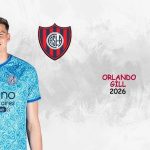
Orlando Gill is the newest addition to that list. His two penalty saves against Germany ended Germany’s perfect World Cup shootout record. He was calm under pressure, explosive in his movement, and read the nervousness of the takers. His performance is the latest example of the goalkeeper as the deciding factor.
These three goalkeepers show the evolution of the shootout specialist. Krul started it in 2014. Martinez and Pickford built it in 2018 and 2022. Gill is proving it again in 2026. The pattern is clear: the goalkeeper is now the one who decides the shootout.
The science: reading nervousness, 25 percent save rate, and corner choices
Of 361 penalties at World Cup finals, 270 were scored — that’s 75 percent conversion. That means goalkeepers save 25 percent. That is actually impressive given the pressure. The goal is small, the shot is powerful, and the distance is short. Saving 25 percent is a real achievement.
But the science is more than the save rate. It’s about reading nervousness. Nervous takers hit with 85 percent conviction. They hesitate. They change their mind too late. They are the ones goalkeepers go for. That is the science of the shootout.
There is also the corner choice. The top right corner is the hardest to hit. The bottom left is the easiest. The goalkeeper who posts early can force the taker to the harder corner. That is the psychology of the shootout.
That is why the best shootout goalkeepers are not the ones with the best reflexes. They are the ones with the best psychology. They are the ones who can read the taker, exploit the hesitation, and control the moment.
Hugo Lloris vs Argentina 2022: the contrast example
The 2022 World Cup final between Argentina and France is the perfect contrast example. France’s keeper Hugo Lloris was not even getting close to penalties while Martinez dominated. That mismatch was the difference between winning and losing the World Cup.
Martinez posted early, built pressure, and read nervousness. He saved two penalties. Lloris was reactive, passive, and missed both. That is the difference between a specialist and a regular keeper.
That match proved that the goalkeeper is the deciding factor. The keeper who controls the moment is the one who wins the shootout. The keeper who reacts is the one who loses.
What goalkeepers can learn from these specialists
Goalkeepers can learn three things from Krul, Martinez, Pickford, and Gill. The first is explosiveness. Shootouts are not about reflexes. They are about movement. A goalkeeper who is explosive can change his position quickly and read the taker’s body shape.
The second is experience. Shootouts are not about guessing. They are about reading. A goalkeeper with experience can see the nervousness, the hesitation, and the change in body shape. That is what allows him to read the taker.
The third is psychology. Shootouts are not about luck. They are about control. A goalkeeper with good psychology can build pressure, force the taker to hesitate, and control the moment. That is the heart of the specialist.
These three qualities are what separate the shootout specialist from the regular keeper. They are what make the goalkeeper the deciding factor. They are what prove that the shootout is not a lottery.
FAQs about World Cup penalty shootout goalkeepers
Who was the first penalty specialist goalkeeper at the World Cup?
Tim Krul was the first goalkeeper brought on specifically as a penalty specialist for a World Cup shootout. In 2014, Netherlands coach Louis van Gaal signed Krul for the purpose of replacing the regular keeper before the shootout against Colombia. Krul saved from Bryan Ruiz and Michael Umana.
What is the save rate for goalkeepers at World Cup penalty shootouts?
Of 361 penalties at World Cup finals, 270 were scored — that’s 75 percent conversion. That means goalkeepers save 25 percent. That is actually impressive given the pressure.
Why are Emiliano Martinez and Jordan Pickford considered shootout specialists?
Martinez and Pickford are considered shootout specialists because they post early, build pressure, and read nervousness. Martinez’s proactivity even forced FIFA to change rules on goalkeeper movement.
What did Orlando Gill do against Germany at World Cup 2026?
Gill saved two penalties against Germany in the World Cup round of 32 shootout. He denied Kai Havertz and Nick Woltemade as Paraguay won 4-3 on penalties. His performance ended Germany’s perfect World Cup shootout record.
What is the science of reading nervousness in penalty shootouts?
Nervous takers hit with 85 percent conviction. They hesitate. They change their mind too late. They are the ones goalkeepers go for. That is the science of the shootout.
The keeper who matters most
World Cup shootouts are no longer about the taker’s loneliness. They are about the goalkeeper’s control. The keeper who posts early builds pressure. The keeper who reads nervousness exploits hesitation. The keeper who is explosive changes the moment. That is the revolution that began with Tim Krul and continues with Orlando Gill.
For Goalkeeper Magazine, this is the story worth telling. It’s not just about one keeper’s saves. It’s about the evolution of the shootout specialist. It’s about the shift from the taker’s pressure to the keeper’s control. It’s about the keeper who matters most in the moment that defines careers.
That is why Orlando Gill’s performance against Germany is not just a hero story. It’s a tutorial. It’s a lesson in explosiveness, experience, and psychology. It’s proof that the goalkeeper is the true differential. It’s the latest chapter in a revolution that started in 2014 and continues today.
What this means for the future
The future of penalty shootouts is the future of the goalkeeper. Shootouts will become more about the keeper’s psychology than the taker’s technique. Clubs will train keepers specifically for this moment. They will bring in specialists. They will build the psychology.
That is the shift. The keeper who controls the moment is the one who wins the shootout. The keeper who reacts is the one who loses. That is the lesson from Krul, Martinez, Pickford, and Gill. That is the story of the World Cup shootout.
For goalkeepers, the lesson is clear: don’t just train reflexes. Train psychology. It’s the skill that will win you the shootout. It’s the skill that will make you the specialist. It’s the skill that will make you the keeper who matters most.