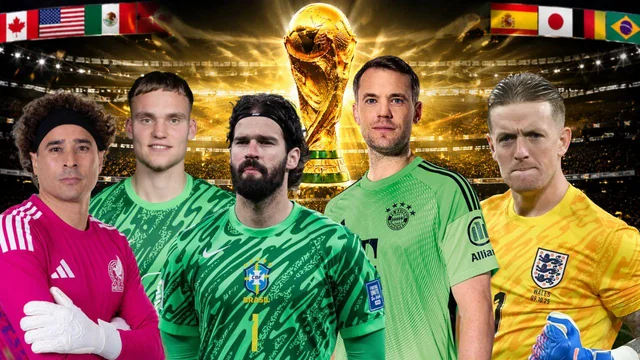

World Cup 2026 features 145 goalkeepers across all 48 teams, with an average age of 29 years and 298 days. Notably, 25 goalkeepers are aged 35 and above, including 40-year-old veterans Vozinha from Cape Verde and Manuel Neuer from Germany, proving that experience continues to matter in modern tournament football despite the youth-focused sweeper-keeper trend.
How many goalkeepers are at World Cup 2026?
All 48 teams at World Cup 2026 have officially locked in their 26-man rosters for the tournament held in North America. Each team carries three goalkeepers in their squad, totaling 144 goalkeepers. The 145th goalkeeper entered through injury replacements and squad adjustments made before and during the tournament.
The squad deadline for each country to name their 26-man players has passed, with final lists confirmed for every team heading to the 2026 FIFA World Cup. A few teams initially awaited final confirmation before releasing their complete squads, but all rosters are now finalized.
Real-time updates on final rosters, injury news, and key player analysis continue throughout the tournament, with official FIFA World Cup 2026 squad lists providing the definitive source for goalkeeper information across all participating nations.
What is the average age of World Cup 2026 goalkeepers?
The mean age of all 145 goalkeepers at World Cup 2026 is 29 years and 298 days. This translates to approximately 29.8 years old, making the average goalkeeper slightly younger than 30 years old at the tournament.
Of the 145 goalkeepers, 77 are older than the average age, while 68 are younger. This near-even split shows that World Cup 2026 features a balanced mix of young and experienced goalkeepers across all teams.
The average age reflects modern football’s preference for goalkeepers in their late twenties, when they typically combine physical peak with accumulated experience. Goalkeepers under 25 often lack tournament experience, while those over 35 face questions about declining reflex speed and mobility.
Veteran goalkeepers: 25 players aged 35 and above
World Cup 2026 features 25 goalkeepers aged 35 and above, representing nearly 17 percent of all goalkeepers at the tournament. This significant veteran presence challenges the narrative that modern football exclusively favors young, athletic sweeper-ikers.
The most prominent veterans are 40-year-old Vozinha from Cape Verde and 40-year-old Manuel Neuer from Germany. Vozinha made seven saves against Spain’s 28 attempts, one of the standout goalkeeper performances of the tournament. His save percentage ranks among the best at World Cup 2026.
Manuel Neuer became the second German player to appear at five World Cups, with 20 total World Cup games matching Lothar Matthäus’s record. After retiring from international football following Euro 2024, Neuer reversed his decision to return for World Cup 2026, where he serves as Germany’s number one goalkeeper.
Other notable veteran goalkeepers include Thibaut Courtois of Belgium, who maintains his status as one of the world’s most commanding presences through sheer shot-stopping reach for Real Madrid. Despite the sweeper-keeper trend, Courtois remains among the elite through traditional reflex and positioning ability.
The success of these veteran goalkeepers demonstrates that experience, positioning, and decision-making can compensate for physical decline. Micro-adjustments based on attack angle, shooter’s preferred foot, and field conditions remain crucial regardless of age.
Youthful goalkeepers: Teams betting on the future
While 25 goalkeepers are aged 35 and above, the remaining 120 goalkeepers include many under 25 years old. Teams are betting on youthful talent, bringing in goalkeepers who combine physical peak with potential for long-term development.
Young goalkeepers at World Cup 2026 typically face different expectations than veterans. They’re evaluated on reflex speed, athleticism, and potential rather than tournament experience. Teams carrying young goalkeepers often use them as backups or in matches where rotation is planned.
The sweeper-keeper revolution has particularly benefited young goalkeepers. Modern training emphasizes passing and distribution from an early age, allowing young players to integrate into team tactics more quickly than previous generations. Goalkeepers who master both shot-stopping and passing early can compete at the highest level before reaching their late twenties.
Brazil’s goalkeeper situation reflects this youth-veteran balance. Alisson Becker, expected to start for Brazil at World Cup 2026, represents the sweet spot of experience and physical peak. At 32, he’s past the youthful phase but not yet considered veteran, combining elite shot-stopping with modern distribution skills.
Age distribution by team
Not all teams at World Cup 2026 carry the same age profile among their goalkeepers. Some nations prioritize veteran experience, while others invest in youth. The distribution varies based on team philosophy, domestic league structures, and tournament objectives.
Teams with deep domestic leagues often carry younger goalkeepers who compete regularly for top clubs. Premier League, Serie A, and Bundesliga teams develop goalkeepers through extensive competition, accelerating their development and allowing them to reach World Cup level earlier.
Nations with smaller domestic leagues may rely on veteran goalkeepers who have accumulated experience through international competition and transfers to bigger leagues. These goalkeepers often reach their peak later, with tournament experience compensating for smaller domestic competition.
Germany’s goalkeeper selection reflects veteran preference. Despite having younger options available, Germany chose Neuer at 40 for World Cup 2026. The decision prioritizes experience and leadership over physical peak, trusting Neuer’s positioning and decision-making to compensate for age-related decline.
Cape Verde’s selection of Vozinha at 40 represents a different approach. For smaller nations facing dominant teams like Spain, traditional shot-stopping ability becomes paramount. Vozinha’s seven saves against Spain’s 28 attempts prove that veteran reflex and positioning can handle overwhelming attacking pressure.
How age affects goalkeeper performance
Age affects goalkeeper performance differently depending on playing style. Traditional shot-stoppers rely primarily on reflex speed, positioning, and decision-making. Reflex speed typically declines after 35, but positioning and decision-making can remain strong or even improve with experience.
Sweeper-keepers face different age-related challenges. The style requires exceptional ball control, decision-making, and courage to leave the goal vulnerable. While decision-making improves with experience, the physical demands of venturing outside the box and recovering quickly become harder with age.
Manuel Neuer’s World Cup 2026 performance shows elements of both styles. At 40, he demonstrates traditional shot-stopping ability while still attempting sweeper-keeper distribution. Some fans question whether he should start against bigger opponents, with comments like “he is washed” reflecting debate about age affecting sweeper-iker capabilities.
Alisson Becker’s performance at World Cup 2026 demonstrates the ideal balance. He finished with three saves against Haiti, two from inside the box, against shots on target worth 0.43 expected goals. He completed 28 of 32 passes, won his only ground duel, and completed his dribble, showing all-round quality that combines shot-stopping with modern distribution.
The 18 percent reduction in scoring chances when catching crosses versus punching applies to all goalkeepers regardless of age. However, veteran goalkeepers may rely more on positioning to avoid needing diving catches, while younger goalkeepers use superior athleticism to make spectacular saves.
FAQs about goalkeeper age at World Cup 2026
How old is the oldest goalkeeper at World Cup 2026?
The oldest goalkeepers at World Cup 2026 are 40 years old: Vozinha from Cape Verde and Manuel Neuer from Germany. Both have proven that experience and positioning can compete at the highest level despite physical decline.
What is the average age of goalkeepers at World Cup 2026?
The average age of all 145 goalkeepers at World Cup 2026 is 29 years and 298 days, approximately 29.8 years old. This represents the typical age when goalkeepers combine physical peak with accumulated experience.
How many goalkeepers at World Cup 2026 are over 35?
There are 25 goalkeepers aged 35 and above at World Cup 2026, representing nearly 17 percent of all goalkeepers. This significant veteran presence challenges the youth-focused narrative in modern football.
Why are veteran goalkeepers succeeding at World Cup 2026?
Veteran goalkeepers like Vozinha and Neuer succeed through experience, positioning, and decision-making. These skills remain strong with age, compensating for declining reflex speed. Traditional shot-stopping relies more on positioning than pure athleticism, which benefits veterans.
Which teams carry the youngest goalkeepers at World Cup 2026?
Teams with deep domestic leagues like England, Germany, and Spain often carry younger goalkeepers who compete regularly for top clubs. Premier League, Serie A, and Bundesliga development accelerate goalkeeper readiness for World Cup competition.
Will veteran goalkeepers continue dominating after World Cup 2026?
The success of veteran goalkeepers at World Cup 2026 suggests experience will remain valued, but the sweeper-iker revolution continues dominating elite team tactics. Future goalkeeper development will likely balance both traditional shot-stopping and modern distribution, creating versatile players who adapt to different situations.
The value of experience in tournament football
World Cup 2026’s age diversity among 145 goalkeepers reveals that tournament football values experience alongside physical peak. The 25 goalkeepers aged 35 and above, including 40-year-old Vozinha and Neuer, prove that positioning and decision-making remain essential regardless of age.
For goalkeeper coaches developing young players, the lesson is clear: emphasize positioning and decision-making alongside reflex training. Young goalkeepers who master both traditional shot-stopping fundamentals and modern distribution skills will compete at the highest level regardless of whether they’re 22 or 40.
The average age of 29 years and 298 days reflects the sweet spot where physical peak meets accumulated experience. Goalkeepers reaching this age typically have sufficient tournament exposure to handle pressure while maintaining the athleticism required for modern sweeper-iker demands.
For fans evaluating goalkeeper performance, age provides context but doesn’t determine quality. Vozinha’s seven saves against Spain’s 28 attempts and Neuer’s 20 World Cup games demonstrate that experience compensates for physical decline. Young goalkeepers bring reflex speed and athleticism but lack tournament-tested decision-making.
World Cup 2026 validates both approaches. Veterans excel through positioning and experience, while younger goalkeepers contribute through athleticism and modern training. The tournament’s safest conclusion is that goalkeeper development must balance both philosophies, creating versatile players who adapt to different tournament situations regardless of age.