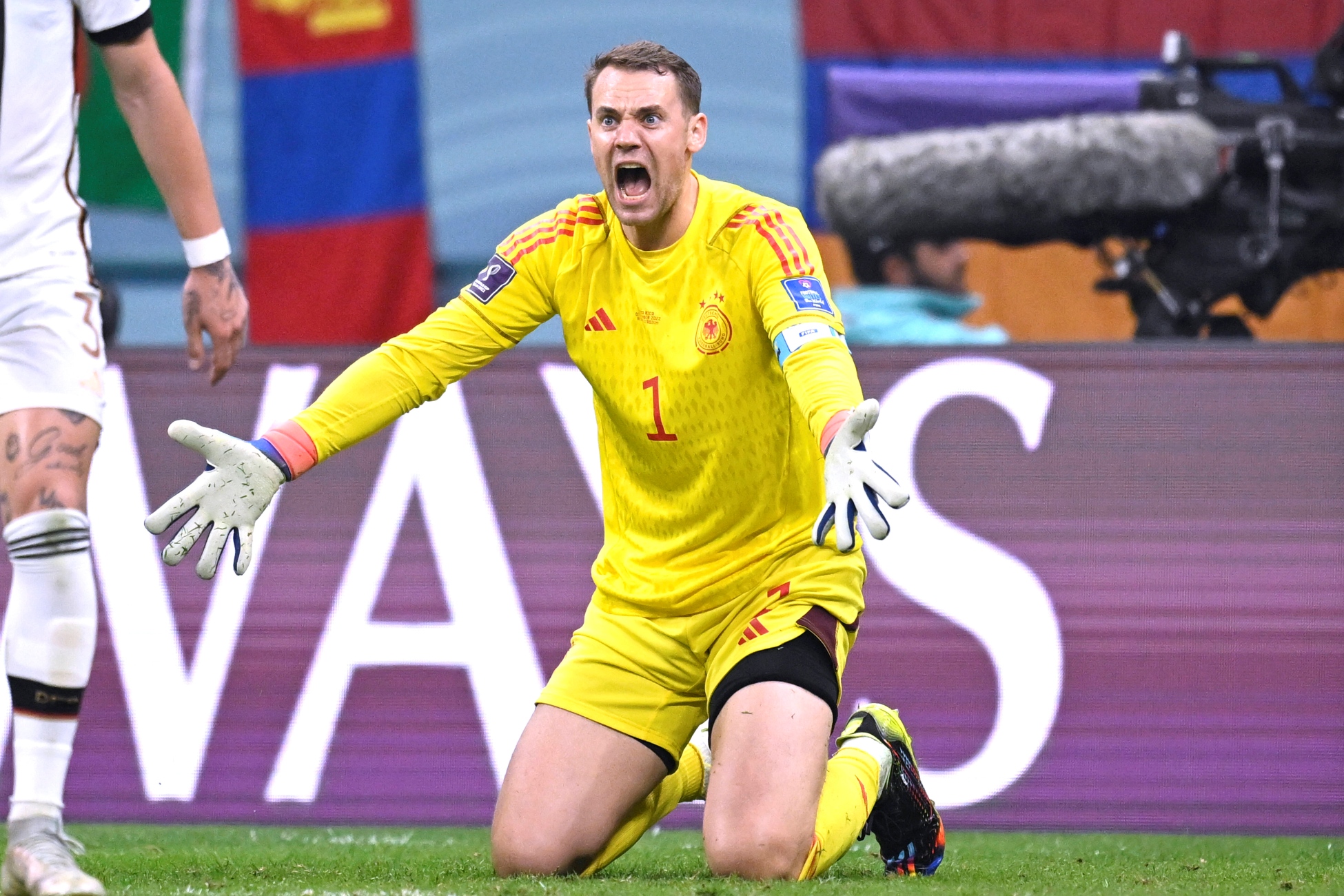

The 2026 World Cup has reminded readers that goalkeeper excellence is not only about youth, reflexes, and modern distribution. Older keepers have been central to some of the tournament’s most memorable moments, with experienced goalkeepers producing standout saves under heavy pressure. That trend has given new life to a long-running debate in football: is the modern game still underestimating the value of experience between the posts?
Why veteran goalkeepers matter
Goalkeepers often peak later than outfield players because the role depends heavily on positioning, anticipation, and decision-making. Those qualities tend to improve with experience, even when raw athleticism begins to decline. In tournament football, that can matter just as much as the ability to play out from the back.
The 2026 World Cup has shown how valuable that experience can be when a team spends long stretches under pressure. Veteran goalkeepers are often the players who keep matches alive when their sides cannot control possession or territory. They may not always have the flashiest style, but they can be the difference between a narrow defeat and a famous result.
A tournament full of pressure
World Cup matches create very different conditions from club football. Teams may play only once every few days, opponents are unfamiliar, and the margins are often tiny. A goalkeeper who reads the game well and stays calm under repeated attacks can become the most important player on the pitch.
That has been especially visible in matches where underdogs have faced stronger opponents. When a team is pinned back for long periods, the goalkeeper becomes a last line of resistance. In those situations, the value of experience becomes much easier to see.
What the modern game asks from goalkeepers
The position has changed a great deal in recent years. Modern goalkeepers are expected to do more than save shots. They must also help their teams build attacks, handle pressure on the ball, and often act almost like an extra defender.
That shift has produced a new kind of player: the sweeper-keeper. These goalkeepers are comfortable leaving their line, sweeping up danger behind a high defensive block, and starting moves with short or long passes. It is a demanding role, and one that has changed the profile of the position across Europe and beyond.
Even so, the World Cup has shown that there is still room for the old-fashioned shot-stopper. A goalkeeper does not need to dominate possession to dominate a match. Sometimes the most valuable skill is simply stopping shot after shot when the pressure is at its highest.
The value of shot-stopping
Shot-stopping remains the most visible part of goalkeeping, and for good reason. It is the skill that supporters notice immediately, especially in a tournament setting where one save can shape an entire nation’s mood. Repeated saves also send a psychological message to attackers: the goal is not easy to find.
This is why veteran goalkeepers can still thrive at major tournaments. Their positioning is often cleaner, their decision-making is usually sharper, and they are more likely to recognise patterns that younger goalkeepers have not yet seen enough times. A good save can look instinctive, but it is often built on years of reading the game.
That does not mean age is irrelevant. Reactions can slow, recovery time can increase, and sweeping outside the box becomes more physically demanding. But when the keeper is well organised and the defence in front of him is disciplined, those drawbacks can be partly offset by experience.
How age changes the role
There is no single age at which a goalkeeper becomes too old for top-level football. Some decline earlier, some later, and the exact pattern depends on style, fitness, and the demands placed on them by their team. A keeper who relies on movement outside the box may be affected differently from one who stays deeper and focuses on reaction saves.
This is why older goalkeepers can still be effective at World Cups. Tournament football rewards composure and reliability, both of which are qualities that often grow with age. A veteran keeper may not be asked to run as much as a younger one, but he may still be better at choosing the right moment to act.
That balance between physical decline and tactical maturity is one of the most interesting parts of goalkeeping. It is also one reason the position remains one of the hardest to judge by age alone.
Why fans notice veteran keepers more
Fans tend to remember goalkeepers when they make a match-saving stop or commit a costly mistake. That makes experienced goalkeepers especially visible at tournaments, where the stakes are high and the emotion is immediate. A veteran keeper who delivers a big performance can become a story very quickly.
At the same time, older goalkeepers carry more narrative weight because they often represent continuity. They can feel like the last link to an earlier era of football, especially in a game that changes so quickly. When they succeed, it can feel like a small victory for the idea that experience still matters.
That is part of the appeal of World Cup goalkeeping stories. They are not only about saves; they are also about timing, pressure, and the wider meaning of a performance.
What this means for coaches
For goalkeeper coaches, the lesson is not to choose between youth and experience. The better approach is to understand what each brings. Younger goalkeepers often offer more speed and athleticism, while older ones often bring calm and consistency.
Development should therefore cover both modern distribution and traditional saving technique. A goalkeeper who can only play with his feet will struggle in some matches. One who can only stop shots may be limited in systems that demand more from build-up play.
The best teams usually look for balance. They want a goalkeeper who can adapt to match conditions, not one who fits only a single tactical model.
What readers should look for next
As the tournament continues, the next interesting question is whether veteran goalkeepers can keep producing decisive performances in the knockout rounds. Those matches are often tighter, more tactical, and more physically demanding. They also put a premium on composure under pressure.
If the early stages are any guide, goalkeeper performances may end up shaping more games than many expected. That makes the role especially important for teams without dominant attacking talent. In a short tournament, a great goalkeeper can keep a team alive long enough to find one moment that changes everything.
Why this story keeps repeating
The same pattern appears in many World Cups. A few goalkeepers emerge as major figures, usually because their teams spend long stretches defending and because one strong performance leads to another. The position lends itself to those cycles because confidence matters so much.
Once a goalkeeper begins making saves in pressure situations, the momentum can build quickly. Teammates trust him more, opponents become more frustrated, and the public starts paying closer attention. That is one reason goalkeeper stories often outlast the match itself.
The 2026 World Cup has already shown that experience still has real value. Whether through one huge save or a sequence of calm decisions, veteran goalkeepers remain capable of defining major football moments.
What makes a tournament keeper special?
A tournament keeper is not always the most stylish goalkeeper. More often, he is the one who handles pressure better than everyone else. That can mean strong positioning, clean handling, good communication, and the ability to recover after a mistake without losing focus.
In a World Cup, where every match can have different rhythms and emotional demands, those traits matter enormously. They are often what separates a good club goalkeeper from a great international one. The tournament format rewards reliability.
That is why veteran keepers keep coming back into the conversation. They may not define the future of the position, but they still define the present when the pressure is highest.
Why veteran goalkeepers still belong
The 2026 World Cup is a useful reminder that football does not always move in one direction. New tactical ideas can dominate headlines, but older skills remain valuable when the game becomes messy and tense. Goalkeeping is one of the clearest examples of that truth.
Experience will not replace athleticism, and it will not undo the impact of modern tactical demands. But it can still produce extraordinary performances, especially in tournaments where a single match can change everything. That is why veteran goalkeepers continue to matter, and why their stories remain worth following.