
The sweeper-keeper revolution that transformed football over the past decade faces a new test at World Cup 2026. While modern goalkeepers like David Raya at Arsenal continue leading the sweeper-keeper era with clinical distribution and elite save percentages, the tournament’s standout performers are traditional shot-stoppers Vozinha and Mohammad Al-Owais, who excel through pure reflex and positioning rather than passing ability.
What is a sweeper-keeper?
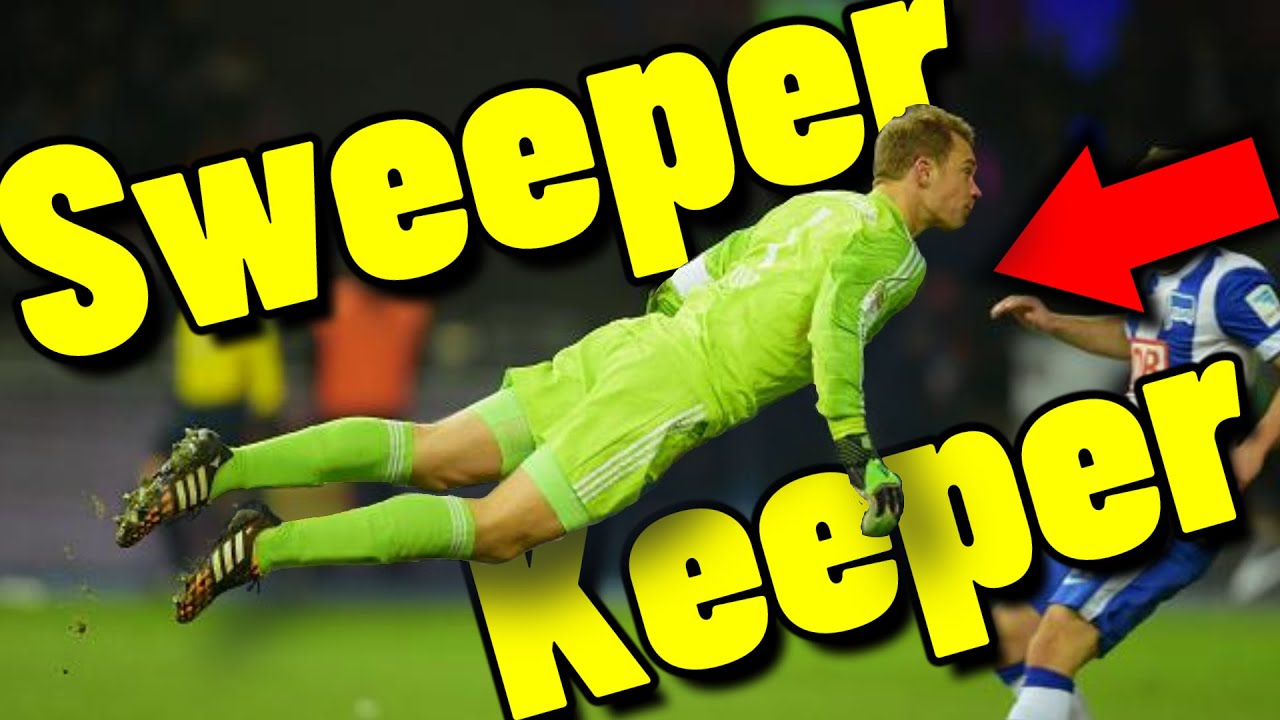
A sweeper-keeper is a goalkeeper who ventures outside their box to act as an extra defender, playing like an outfield player. Instead of staying confined to the 18-yard box as reactive specialists, sweeper-keepers intercept through balls, position themselves outside their goal to clear danger, and use their feet to initiate team attacks.
This style requires exceptional ball control, decision-making, and courage. The goalkeeper must read the game early, positioning themselves to intercept passes before they become shots. When successful, the sweeper-keeper acts as an 11th player, giving their team numerical advantages in build-up play.
Manuel Neuer is widely credited as inventing and mastering the sweeper-keeper style. His approach transformed the goalkeeper position globally, changing how teams build attacks and defend against through balls.
How the sweeper-keeper revolution changed football
For generations, the goalkeeper was defined primarily by one metric: saves. They were reactive specialists confined to their 18-yard box, defined by shot-stopping ability alone. The sweeper-keeper revolution shattered that perception completely.
The evolution is measurable through pass completion statistics. Serie A goalkeeper pass completion rose from 50 percent in the late 2000s to 70 percent now. Modern goalkeepers must make accurate short passes as well as long balls, with even long passes typically aimed towards teammates rather than simply clearing danger.
Ball-playing goalkeeper football has transformed tactics in 2026. From Neuer to Bayern Munich under Kompany, keepers are becoming playmakers who participate in build-up play. Teams now design attacking strategies around goalkeeper distribution, using them as the first attacker rather than just the last defender.
David Raya at Arsenal represents the modern sweeper-keeper era, combining clinical distribution with elite save percentages. Alisson Becker and Mike Maignan continue setting standards for reliability in the elite bracket, ensuring the sweeper-keeper model remains dominant among top teams.
What World Cup 2026 shows about sweeper-keepers
World Cup 2026 presents a fascinating contradiction. While the sweeper-keeper revolution dominates team tactics at the highest level, the tournament’s most impressive individual performances come from traditional shot-stoppers. Cape Verde’s 40-year-old Vozinha made seven saves against Spain’s 28 attempts. Saudi Arabia’s Mohammad Al-Owais made nine saves against Uruguay, the highest in the tournament.
Both Vozinha and Al-Owais have the best save percentages at World Cup 2026. Their success demonstrates that when facing volume shooting, the ability to stop the ball matters more than passing accuracy. Spain’s 28 attempts and Uruguay’s sustained attack tested pure reflex and positioning rather than distribution skills.
The mean age of all 145 goalkeepers at World Cup 2026 is 29 years and 298 days, with 25 goalkeepers aged 35 and above. Veterans like Vozinha at 40 and Manuel Neuer at 40 are stepping the spotlight, proving that experience and positioning can compensate for physical decline.
Manuel Neuer’s World Cup 2026 performance shows elements of both styles. At 40, he demonstrates traditional shot-stopping ability while still attempting sweeper-keeper distribution. Some fans question whether he should start against bigger opponents, with comments like “he is washed” reflecting debate about age affecting sweeper-keeper capabilities.
Advantages of the sweeper-keeper style
The sweeper-keeper approach provides several tactical advantages. First, it gives teams numerical advantages in build-up play. When the goalkeeper acts as an extra defender, teams can maintain possession under pressure more effectively.
Second, sweeper-keepers prevent opponent attacks before they become shots. By intercepting through balls outside the goal area, they reduce the number of shots their team faces, lowering the overall pressure on the defense.
Third, sweeper-keepers enable higher defensive lines. Teams can play defenders further up the pitch because the goalkeeper can cover balls behind the defense, knowing they can intercept through passes rather than relying solely on defenders.
Fourth, distribution becomes an attacking weapon. Accurate short and long passes from the goalkeeper allow teams to launch quick attacks, bypassing midfield pressure and creating scoring opportunities.
Risks and limitations of sweeper-keepers
The sweeper-keeper style carries significant risks. When the goalkeeper leaves the goal area, the team becomes vulnerable to chipped balls or lobs over the defense. If the sweeper-keeper mistimes their intervention, opponents can score into an empty net.
Age affects sweeper-keeper performance differently than traditional goalkeeping. Sweeper-keepers rely more on positioning and decision-making, which can remain strong with age, but pure reflex speed and mobility may decline. This creates tension between the revolutionary style and veteran experience.
Sweeper-keepers also require exceptional ball control under pressure. If a goalkeeper lacks passing accuracy or decision-making, the style becomes dangerous rather than advantageous. Teams must invest heavily in goalkeeper training to develop these skills properly.
The style also depends on defensive organization. Poorly positioned defenders increase the risk of through balls that the sweeper-keeper must intercept, requiring perfect coordination between goalkeeper and defensive line.
When sweeper-keepers succeed vs when they fail
Sweeper-keepers excel in matches where their team controls possession and faces organized attacks. Teams like Arsenal, Bayern Munich, and Manchester City use sweeper-ikers effectively because their defensive systems limit the need for pure reflex saves while maximizing distribution advantages.
The style struggles when teams face sustained attacking pressure with volume shooting. World Cup 2026 matches like Spain versus Cape Verde and Uruguay versus Saudi Arabia featured 28 and high numbers of attempts respectively. In these situations, traditional shot-stopping ability becomes more valuable than distribution.
Tournament football presents unique challenges for sweeper-ikers. Knockout matches feature tighter margins and higher pressure, where one mistake can eliminate a team. Traditional shot-stoppers like Vozinha and Al-Owais excel in these high-pressure situations through reliable reflex and positioning.
Team tactics also determine sweeper-iker success. Teams playing high defensive lines with organized pressing benefit most from the style. Teams that defend deeper or lack defensive coordination face higher risks from sweeper-keeper interventions.
FAQs about sweeper-keepers at World Cup 2026
Is the sweeper-keeper style still dominant in 2026?
The sweeper-keeper style dominates team tactics at the highest level, with top teams like Arsenal, Bayern Munich, and Manchester City using it extensively. However, World Cup 2026 shows traditional shot-stoppers still excel in tournament matches featuring volume shooting.
Who invented the sweeper-keeper style?
Manuel Neuer is widely credited as inventing and mastering the sweeper-keeper style. His approach transformed goalkeepers from reactive shot-stoppers into active playmakers who intercept through balls and initiate attacks.
What is the difference between a sweeper-keeper and traditional goalkeeper?
A sweeper-keeper ventures outside their box to act as an extra defender, intercepting through balls and using feet to initiate attacks. Traditional goalkeepers focus primarily on shot-stopping and staying within the goal area, reacting to shots rather than preventing them.
Do sweeper-keepers make more saves than traditional goalkeepers?
Sweeper-keepers typically face fewer shots because they intercept through balls before they become attempts. However, World Cup 2026 shows traditional shot-stoppers like Vozinha and Al-Owais make more saves in matches featuring volume shooting, proving both styles succeed in different situations.
Why are veteran goalkeepers succeeding at World Cup 2026?
Veteran goalkeepers like Vozinha and Neuer succeed through experience, positioning, and decision-making. These skills remain strong with age, compensating for declining reflex speed. Traditional shot-stopping relies more on positioning than pure athleticism.
Will the sweeper-keeper revolution continue?
The sweeper-keeper revolution will continue dominating team tactics at elite levels, but World Cup 2026 shows traditional shot-stopping remains essential for tournament success. Future goalkeeper development will likely emphasize both passing and saving, as different situations demand different skills.
The coexistence of two philosophies
World Cup 2026 reveals that football’s goalkeeper evolution isn’t linear. The sweeper-keeper revolution transformed team tactics globally, with 70 percent pass completion in Serie A and elite teams building attacks around goalkeeper distribution. Yet traditional shot-stoppers Vozinha and Al-Owais lead the tournament in saves and save percentages, proving that pure reflex and positioning still dominate in high-pressure tournament matches.
For goalkeeper coaches developing young players, the lesson is clear: master both passing and saving. The sweeper-keeper model works brilliantly for teams controlling possession and facing organized attacks. Traditional shot-stopping remains essential when facing volume shooting and tournament pressure. Different situations demand different skills, and the best goalkeepers adapt to both.
The debate about whether Manuel Neuer should start against bigger opponents at World Cup 2026 reflects this tension. At 40, Neuer represents the sweeper-keeper evolution attempting to blend both styles. His experience and positioning compensate for declining reflex, but the risk of leaving the goal vulnerable remains higher than traditional shot-stopping.
For fans evaluating goalkeeper performance, understanding both philosophies provides better context. Sweeper-keepers contribute through distribution and interception, reducing shots faced. Traditional shot-stoppers excel through reflex and positioning when shots occur. The best evaluation considers both approaches, recognizing that World Cup 2026 has validated both.
The sweeper-keeper revolution will continue shaping elite football tactics, but World Cup 2026 proves traditional shot-stopping remains equally vital. The future of goalkeeper development lies in balancing both skills, creating versatile players who can distribute like playmakers and stop shots like reactive specialists.