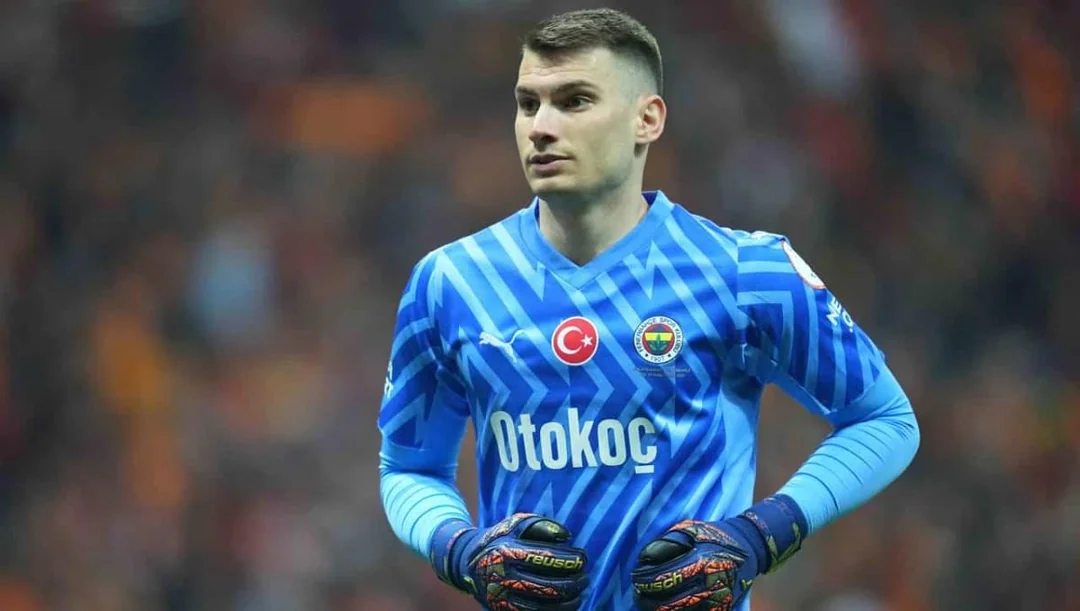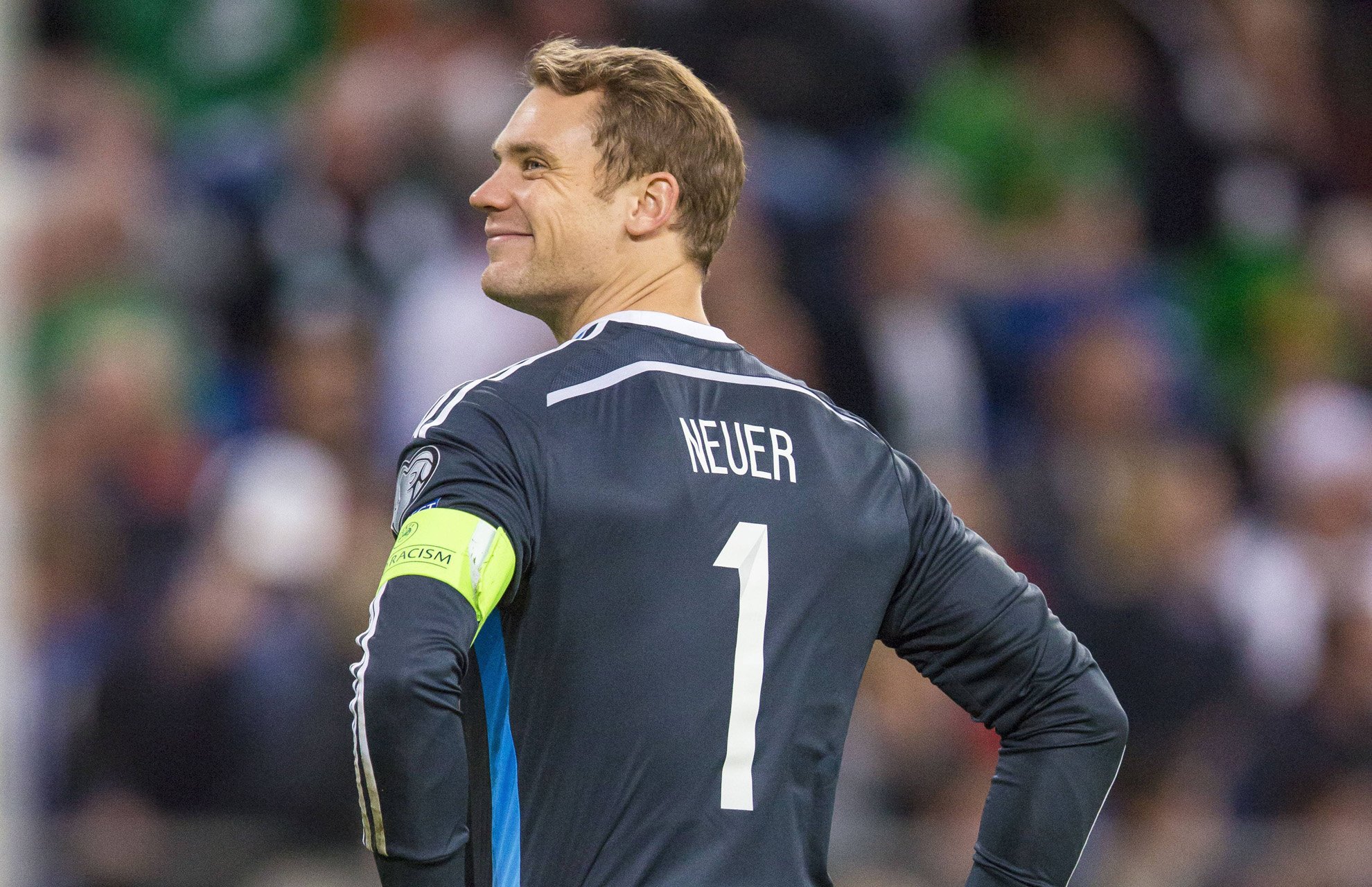

Manuel Neuer has made history at the 2026 FIFA World Cup by becoming the second German player to appear at five World Cups, joining Lothar Matthäus in an elite list with 20 total World Cup games. After retiring from international football following Euro 2024, the 40-year-old goalkeeper reversed his decision to return for Germany’s World Cup campaign, where he has been declared as Germany’s number one goalkeeper despite mixed fan reactions to his opener performance.
How Neuer made history at World Cup 2026
When Manuel Neuer walked onto the pitch for Germany’s FIFA World Cup 2026 opener against Curacao on June 14, 2026, in Houston, he secured his place alongside one of German football’s greatest icons. His 20th World Cup game appearance matches the record held only by Matthäus, making him the most-decorated German goalkeeper in World Cup history.
The match resulted in a commanding 7-1 win for Germany over competition debutants Curacao. Despite the impressive victory, Neuer’s performance drew criticism from some fans who questioned whether he should start against bigger opponents in the tournament. Comments online included phrases like “sit out against big opponents” and “he is washed,” reflecting the debate about a 40-year-old goalkeeper’s capabilities.
Why Neuer returned from international retirement
Manuel Neuer had officially retired from international football after Euro 2024, ending what was considered one of the greatest careers in German goalkeeper history. However, he reversed that retirement decision when selected for Germany’s World Cup 2026 squad.
Germany’s coach Julian Nagelsmann explained Neuer’s return as essential for the team’s World Cup ambitions. The decision was widely discussed in German football media, with many seeing it as a final chance for the veteran to add to his legendary status.
Neuer was officially declared as Germany’s number one goalkeeper at the World Cup following his retirement U-turn, confirming he would start in the tournament despite the age controversy.
The sweeper-keeper: Neuer’s revolutionary style
Manuel Neuer is widely credited as the inventor and most influential practitioner of the sweeper-keeper style in modern football. This tactical approach transformed the goalkeeper position from a reactive shot-stopper confined to the 18-yard box into an active playmaker who ventures outside to act as an extra defender.
The sweeper-keeper revolution has reshaping tactics in 2026, with ball-playing goalkeeper football transforming how teams build attacks. From Neuer to Kompany’s Bayern Munich, keepers are becoming playmakers who make accurate short passes and long balls.
Serie A goalkeeper pass completion statistics reflect this evolution: from 50 percent in the late 2000s to 70 percent now. Modern goalkeepers need to be able to play accurate short passes as well as long balls, with even long passes typically aimed towards teammates rather than simply clearing the danger.
Neuer’s sweeper-keeper style involves reading the game early, positioning himself outside his goal to intercept through balls, and using his feet to initiate attacks. This requires exceptional ball control, decision-making, and courage to leave the goal vulnerable.
Neuer’s evolution from revolutionary to veteran shot-stopper
At 40 years old, Neuer represents a unique case in modern football. While he pioneered the sweeper-keeper revolution in his younger years, his World Cup 2026 performance shows elements of both styles. In Germany’s 7-1 win over Curacao, he demonstrated traditional shot-stopping ability while still attempting sweeper-keeper distribution.
The debate about whether Neuer should start against bigger opponents reflects the tension between his revolutionary past and his current veteran status. Some fans and analysts argue that at 40, his reaction speed and mobility have declined, making traditional shot-stopping more reliable than the risky sweeper-keeper approach.
However, Neuer’s 20 World Cup games and five World Cup appearances demonstrate that experience and positioning can compensate for physical decline. His micro-adjustments based on attack angle, shooter’s preferred foot, and field conditions represent the positioning skills that remain the most underrated goalkeeper attribute.
Comparison with other veteran goalkeepers at World Cup 2026
Neuer is not the only veteran goalkeeper dominating World Cup 2026. Cape Verde’s Vozinha is also 40 years old and has made seven saves against Spain’s 28 attempts, one of the standout goalkeeper performances of the tournament. Saudi Arabia’s Mohammad Al-Owais made nine saves against Uruguay, the highest in the tournament.
The mean age of all 145 goalkeepers at World Cup 2026 is 29 years and 298 days, with 25 goalkeepers aged 35 and above. This includes veterans like Neuer and Vozinha who are proving that experience matters in tournament football.
While Vozinha and Al-Owais represent traditional shot-stoppers excelling through pure reflex and positioning, Neuer represents the sweeper-keeper evolution attempting to blend both styles. Both approaches have proven successful at the tournament, with Vozinha and Al-Owais having the best save percentages.
What Neuer’s World Cup legacy means for goalkeeper development
Neuer’s decision to return for World Cup 2026 at age 40 has practical implications for goalkeeper coaches and young players. It demonstrates that the sweeper-keeper style, while revolutionary, does not replace the fundamental need for shot-stopping ability.
For young goalkeepers training, Neuer’s career suggests that mastering both passing and saving is essential. Different situations demand different skills: team build-up requires distribution, while facing volume shooting requires traditional shot-stopping.
The debate about whether Neuer should start against bigger opponents also highlights that age affects goalkeeper performance differently depending on style. Sweeper-keepers rely more on positioning and decision-making, which can remain strong with age, while pure reflex speed may decline.
FAQs about Manuel Neuer at World Cup 2026
How many World Cups has Manuel Neuer played?
Manuel Neuer has played at five World Cups, becoming the second German player to appear at five World Cups after Lothar Matthäus. He has 20 total World Cup games.
Did Manuel Neuer retire from international football?
Yes, Neuer retired from international football after Euro 2024 but reversed that decision to return for World Cup 2026. He was named Germany’s starting goalkeeper for the tournament.
Why is Neuer called a sweeper-keeper?
Neuer is called a sweeper-keeper because he pioneered the style of goalkeeper who ventures outside his box to act as an extra defender, intercepting through balls and using his feet to initiate attacks. This transformed the goalkeeper from a reactive shot-stopper into an active playmaker.
What happened in Germany’s World Cup 2026 opener?
Germany won 7-1 against competition debutants Curacao in their World Cup 2026 opener on June 14 in Houston. Despite the victory, some fans questioned whether Neuer should start against bigger opponents, with comments like “he is washed” appearing online.
How does Neuer compare to other veteran goalkeepers at World Cup 2026?
Neuer is 40 years old, same as Cape Verde’s Vozinha. While Vozinha excels through traditional shot-stopping with seven saves against Spain’s 28 attempts, Neuer represents the sweeper-keeper evolution blending both distribution and shot-stopping.
What is Neuer’s legacy in goalkeeper history?
Neuer’s legacy is revolutionizing the goalkeeper position by inventing and mastering the sweeper-keeper style. He transformed goalkeepers into playmakers who make accurate passes and act as extra defenders, changing how teams build attacks globally.
The final stand of a revolutionary
Manuel Neuer’s World Cup 2026 appearance represents more than just a fifth tournament—it’s the final chapter of a career that fundamentally changed football. At 40, he joins an elite group of only two Germans to play five World Cups, while still attempting to blend the sweeper-keeper revolution with traditional veteran experience.
The fan debate about whether he should start against bigger opponents reflects the natural tension in football between innovation and tradition. Neuer’s sweeper-keeper style dominated the 2010s and 2020s, but World Cup 2026 has also shown the value of traditional shot-stoppers like Vozinha and Al-Owais who excel purely through reflex and positioning.
For goalkeeper coaches and young players, Neuer’s World Cup 2026 campaign offers a clear lesson: master both passing and saving. The sweeper-keeper revolution transformed team tactics, but pure shot-stopping ability remains essential for tournament success when facing sustained attacking pressure.
Whether Neuer’s final World Cup ends in glory or disappointment, his impact on the goalkeeper position is irreversible. The 70 percent pass completion rate in Serie A today, the expectation that modern goalkeepers make accurate short and long passes, and the tactical integration of keepers into build-up play all stem from Neuer’s revolutionary approach.
At 40, with 20 World Cup games and five tournament appearances, Manuel Neuer has secured his place in German football history while leaving a legacy that will define goalkeeper development for generations.