
Goalkeeper training is very different from what it used to be. Today, keepers are expected to stop shots, play with their feet, read pressing traps, and help build attacks from the back. That has made training more technical, more tactical, and much more demanding than it was a generation ago.
What goalkeeper training focuses on now
Modern goalkeeper training covers far more than diving and catching. Coaches now work on distribution, positioning, decision-making, and communication as part of the same session. A keeper who can only save shots is no longer enough at the highest level.
Training usually includes reaction work, footwork, cross handling, and one-on-one situations. But it also includes passing drills, build-up patterns, and pressure scenarios where the goalkeeper must make fast decisions under closing pressure. That blend reflects the modern role.
The best sessions are designed to feel like real matches. A goalkeeper may be asked to play short under pressure, then immediately deal with a shot, then organise the defence for a corner. That constant switching is now part of elite preparation.
Why the role became more technical
The biggest reason is tactical change. Teams press higher, defend farther from their own goal, and expect the goalkeeper to help maintain possession. That means the keeper must be comfortable on the ball and able to contribute to the team’s shape.
It also reflects the rise of the sweeper-keeper. This style asks the goalkeeper to leave the box, clear danger early, and support defenders behind a high line. To do that well, the keeper needs strong timing and calm passing ability.
This has changed the way young goalkeepers are developed. They are no longer trained as specialists who only deal with shots. They are trained as all-round players who happen to wear gloves.
The importance of footwork
Footwork is now one of the most important parts of goalkeeper training. Good footwork helps with positioning, balance, and recovery after a save. It also makes passing and distribution cleaner, especially under pressure.
Many keepers spend a lot of time on small movements, set position, and body shape. These details matter because a goalkeeper who is well balanced can react faster and move more efficiently. A save often starts with the feet, not the hands.
Footwork also matters for modern distribution. If a keeper cannot set his body correctly before passing, the ball will often go astray. That is why coaches spend time on receiving, opening up, and playing with both feet.
Shot-stopping still matters
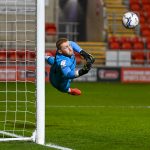
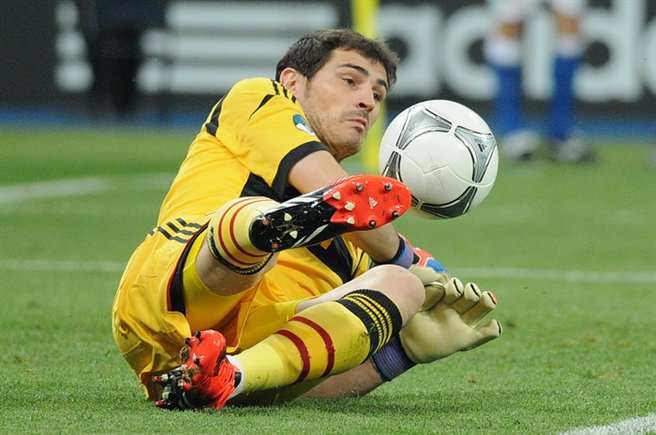
Even with all the tactical change, shot-stopping remains the core of the position. A goalkeeper still has to make saves under pressure, handle powerful shots, and react quickly in crowded penalty areas. No amount of passing ability can replace that.
Training for shot-stopping has also become more specific. Coaches work on angles, shot types, deflections, and recovery saves. They may also use screens and traffic to make the work feel more realistic.
What has changed is that shot-stopping is now trained alongside other skills rather than in isolation. The modern goalkeeper must do everything well enough to serve the team structure. That makes consistency more important than ever.
Distribution drills have become standard
Distribution is one of the clearest signs of how goalkeeper training has changed. Many sessions now include short passing under pressure, long switching balls, and first-touch exercises. These are not specialist extras; they are part of the main job.
Goalkeepers are often asked to play through pressing shapes, using centre-backs and midfielders as part of the drill. The idea is to teach them how to recognise when a short pass is safe and when a longer option is better. Decision-making matters as much as technique.
Coaches also want keepers to understand risk. A flashy pass is not always the correct pass. The best goalkeepers know when to keep possession simple and when to break lines with a direct ball.
Communication is part of training
A goalkeeper is still the organiser of the defence. That means communication remains central to training. Keepers must tell defenders where to move, when to step up, and how to deal with crosses or second balls.
This is one part of the role that people often underestimate. Good communication can stop danger before it starts. It helps organise the back line, reduce confusion, and improve defensive shape.
Training often includes loud, repeated verbal instructions so that communication becomes automatic. In a crowded stadium, a goalkeeper has to make himself heard without hesitation. That leadership is built through repetition.
How young keepers are developed
Younger goalkeepers now start learning modern habits much earlier than before. They are expected to use both feet, understand team shape, and be comfortable in possession. That means their development begins with technical work instead of waiting until they are older.
This is useful, but it also raises the bar. A young keeper has to learn more skills to reach the top. The reward is that he becomes more adaptable and better prepared for different tactical systems.
It also means mistakes are judged differently. A keeper who cannot pass well will struggle in many teams, even if his shot-stopping is strong. Development has become more complete, but also less forgiving.
What elite coaches look for
Elite coaches look for calmness, consistency, and tactical awareness. They want a goalkeeper who can read danger early, make the right choice quickly, and perform cleanly under pressure. Athleticism still matters, but it is only part of the picture.
They also value adaptability. A keeper may face a possession-heavy match one week and a direct, physical match the next. Training has to prepare him for both.
That is why many top clubs build goalkeeper work around game scenarios rather than isolated drills. The goal is to make the training transfer directly into matches. A keeper should not just look good in practice; he should look reliable under pressure.
What has changed for older goalkeepers
Older goalkeepers are often judged differently now. They may not be expected to move as much, but they can still thrive because experience matters so much in the position. Positioning, timing, and reading the game often improve with age.
What tends to decline is recovery speed and range of movement. That is why older keepers often rely more on anticipation and decision-making. Good training can help them stay effective by focusing on efficiency rather than pure athletic output.
This is one reason veteran goalkeepers can still succeed at major tournaments. They may not fit every tactical model, but they often remain highly dependable when the game becomes tense and narrow.
What readers should understand
Goalkeeper training is no longer about one obvious skill. It is a mix of shot-stopping, distribution, footwork, organisation, and game understanding. That is why the modern goalkeeper looks so different from the keeper of the past.
The best training systems recognise that all of these parts are connected. A keeper who moves well will save better. A keeper who passes well will help the team build better. A keeper who communicates well will make the defence stronger.
That is the real change in the modern game. Goalkeepers are no longer just there to stop goals. They are there to shape how their team plays from the very start.
Why this matters for the future
The next generation of goalkeepers will likely be even more complete. They will need to combine traditional skills with tactical intelligence and strong passing range. That will keep the position one of the most specialised roles in football.
For coaches, the challenge is to balance all these demands without losing the basics. For players, the lesson is simple: if you want to succeed as a goalkeeper today, you must train as a complete footballer.
That is why goalkeeper training has changed so much. The position now sits at the intersection of defending, passing, and decision-making, and the best keepers are the ones who can handle all three.